Jewelry making Dazzle Your Creativity with Bling

Jewelry making

Welcome to the sparkling universe of Jewelry making, where creativity meets craftsmanship and your wildest bling dreams can come true! Ever looked at a piece of jewelry and thought, “I could totally make that!”? Well, dust off your imagination and grab your tools because we’re diving headfirst into a world filled with glimmering gems, twisted wires, and the kind of happiness that only comes from creating something uniquely yours.

From wire wrapping to beading, each technique has a story to tell, and we’re about to unravel this tale of art with a side of glitter. You’ll learn the ins and outs of essential tools, discover the delightful materials that make your jewelry shine, and even fashion unique designs that scream “you” from across the room. Get ready to embellish your life with creativity and flair!

Jewelry Making Techniques

Jewelry making is an art that transforms mere materials into sparkling treasures that can express individuality and style. With a myriad of techniques available, each offers a unique charm and flavor to the finished piece. Whether you’re a seasoned jewel whisperer or just starting your sparkly journey, understanding the various techniques can unlock your creative potential. Let’s dive into the world of wire wrapping, soldering, and beading—where creativity meets craftsmanship!

Wire Wrapping

Wire wrapping is a technique that involves manipulating wire to create intricate designs and settings for gemstones. This technique doesn’t require soldering, making it a favorite among beginners and pros alike. The beauty of wire wrapping is its versatility; you can create anything from simple pendants to elaborate multi-layered pieces.To embark on a wire wrapping adventure, you’ll need a selection of tools:

  • Wire Cutters: These handy gadgets are for snipping wire cleanly, ensuring you don’t end up chasing errant wires around your workspace. Always keep them sharp for that snip-snappy effect!
  • Round Nose Pliers: Essential for creating loops and curves; they’re like the magic wand of wire work, giving your designs that perfectly rounded finish. Trust me, they’re a must-have for every jewelry maker!
  • Flat Nose Pliers: Used for gripping and bending wire, these pliers help you get a firm hold on your artistic vision without losing your grip on reality.
  • Chain Nose Pliers: Perfect for reaching tight spots and making precise bends; think of them as your jewelry making ninja tools.
  • Wire: Choose a gauge that suits your project—thicker wires for structure and thinner wires for delicate designs; it’s a wire world out there!

Now, let’s wrap up a simple piece using the wire wrapping method. Follow these steps for a delightful pendant:

  1. Start by cutting a 20-24 inch length of wire. This will be your main working wire, so choose wisely (and don’t cut it too short, or you’ll be in a pickle).
  2. Using your round nose pliers, create a small loop at one end of the wire. This loop will be your anchor point for the gemstone or bead you’re about to adorn.
  3. Slide your chosen gemstone onto the wire, letting it rest against the loop you just made. Feel free to admire your beautiful rock; it’s about to get even prettier!
  4. Now, wrap the wire around the gemstone. Start from the base of the loop and make several loops around the stone, working your way up. Keep the wraps tight and neat; your gemstone deserves it!
  5. Once you’ve reached the desired height, pinch the wire together and create another loop at the top, connecting the wrap. This loop also gives you a point to attach a chain or cord.
  6. Trim any excess wire, making sure you tuck in the ends securely so no one gets poked or scratched. We want jewelry, not poke-ery!
  7. Voila! You now have a beautifully wrapped gemstone pendant! Wear it proudly or gift it to someone special—or just admire it for a while. We won’t judge!

Wire wrapping is just one of the many enchanting techniques in the jewelry making realm. Remember, practice makes perfect, and soon you’ll be wrapping like a pro!

Materials and Supplies for Jewelry Making

Jewelry making

When it comes to jewelry making, the right materials can turn a crafty idea into a dazzling masterpiece. Think of it as baking a cake: you wouldn’t use salt instead of sugar, would you? In the shimmering world of jewelry, quality materials are the secret ingredient that can elevate your creations from “meh” to “wow!” Let’s dive into the colorful sea of metals, gemstones, and beads that can make your jewelry making experience not only enjoyable but also rewarding.

Common Materials Used in Jewelry Making

Jewelry making is a feast for the senses, and the materials you choose are the key ingredients to your creative recipe. Here’s a delightful selection of some of the most popular materials in the jewelry-making universe:

  • Metals: Stainless steel, sterling silver, gold, and copper are the usual suspects. Stainless steel is like the reliable friend who never rusts, while sterling silver adds a touch of class without breaking the bank.
  • Gemstones: From dazzling diamonds to playful pearls, gemstones can add sparkle and personality to your designs. Remember, a well-placed gemstone is like the cherry on top of a sundae; it can make all the difference!
  • Beads: These come in every shape, size, and color imaginable. Whether they’re made from glass, wood, or plastic, beads are like the sprinkles that make your jewelry pop with character.
  • Wire: The unsung hero of jewelry making. Copper, silver, and gold-filled wire are essential for crafting intricate designs that are as strong as they are beautiful.
  • Findings: Clasps, jump rings, and ear wires are the behind-the-scenes crew that hold everything together. Without these little gems, your jewelry would be like a movie without a plot—chaotic and incomplete!

Quality versus Inexpensive Options

Choosing between quality and budget-friendly materials is like deciding whether to buy a flashy sports car or a reliable sedan. While the flashy option might be tempting, it’s essential to understand what you’re getting. Quality materials can significantly impact the durability and appearance of your final product.

“You can’t make a silk purse out of a sow’s ear, but with quality materials, you can definitely make a stunning piece of jewelry!”

Inexpensive options may be appealing, especially for beginners, but they often compromise on features such as color retention, durability, and overall aesthetic appeal. Investing in higher-quality materials can save you money in the long run, as you won’t need to replace your creations frequently.

Essential Craft Supplies for Beginners in Jewelry Making

Starting your jewelry-making journey? Here’s a handy list of essential supplies to get you rolling. With these tools and materials, you’ll be ready to turn your creative visions into reality:

  • Beading Mat: A non-slip surface that keeps your beads from rolling away like they’re auditioning for a new role in a Hollywood movie.
  • Wire Cutters: Perfect for snipping wires with precision. Think of them as the scissors of the jewelry world, but with a much cooler edge.
  • Pliers: Round-nose and flat-nose pliers are must-haves for bending and shaping wire. They’re like the magic wands of jewelry making!
  • Measuring Tape: Because sizes do matter, especially when you want that necklace to fit just right!
  • Storage Containers: Keep your beads and materials organized. A well-organized workspace is like having a tidy mind—less chaos, more creativity!
  • Jewelry Glue: For those moments when you need a little extra help holding it all together. It’s the superhero of the jewelry world!

These supplies can usually be found at local craft stores or online retailers specializing in jewelry-making supplies. If you’re feeling adventurous, thrift stores can also be a treasure trove of unique materials just waiting for a new lease on life!

Crafting Unique Jewelry Designs

Creating unique jewelry designs is like being a magician; with a sprinkle of creativity, a dash of inspiration, and a few magical materials, you can conjure beautiful pieces that tell stories of their own. Designing custom jewelry allows the maker to infuse personal style and flair, transforming simple concepts into wearable art that can dazzle and delight. Whether you’re channeling your inner Picasso or just trying to avoid another trip to the jewelry store, the right design techniques can lead to one-of-a-kind masterpieces that reflect individuality and charm.When it comes to designing custom jewelry, inspiration can be drawn from a myriad of sources.

Nature, architecture, cultures, and even the latest fashion trends are fertile grounds for innovative ideas. Additionally, the use of color theory can significantly enhance the aesthetic appeal of your designs, ensuring that your pieces not only look good but also evoke the right emotions. Understanding how colors interact, complement, and contrast is fundamental to creating jewelry that resonates with wearers.

Inspiration Sources and Style Choices

Inspiration for jewelry design can come from countless avenues, and finding the right blend of styles can elevate your creations from ordinary to extraordinary. Here are some rich sources of inspiration and style choices to consider:

  • Nature: The colors of flowers, the shapes of leaves, and even the textures of rocks can inspire stunning designs. Imagine a pendant mimicking the graceful curve of a leaf or earrings that echo the vibrant colors of a sunflower.
  • Art Movements: Art deco, bohemian, and even minimalism can provide a framework for your designs. Pulling elements from these styles can give your pieces a unique twist that pays homage to the art world.
  • Personal Memories: Think about that unforgettable vacation or a cherished family heirloom. Using these memories as a springboard can help create designs that are rich in personal significance.
  • Fashion Trends: Keep an eye on current fashion trends. The runway can be a treasure trove of ideas, whether it’s chunky statement pieces or delicate layering techniques.

Color Theory in Jewelry Design

Color theory is not just for artists; it’s a vital tool for jewelry designers aiming to create appealing and harmonious pieces. Understanding color relationships can take your designs to a whole new level, enhancing their visual impact. The basics of color theory can be broken down into a few key elements:

  • Complementary Colors: Using colors opposite each other on the color wheel, such as blue and orange, can create high contrast and vibrancy that grabs attention.
  • Analogous Colors: Choosing colors that sit next to each other, like blue, green, and teal, can evoke a sense of harmony and calmness, perfect for more subtle designs.
  • Monochromatic Schemes: Utilizing variations of a single color can add depth and sophistication to your pieces, allowing for a minimalist yet chic appearance.
  • Color Psychology: Colors can evoke emotions, so using reds can signify passion, while blues can convey serenity. Choosing the right colors based on the emotions you want to evoke can enhance the overall appeal of your jewelry.

Incorporating Personal Stories and Themes

Incorporating personal stories or themes into jewelry designs can transform a simple accessory into a heartfelt heirloom. Here are methods to weave your narrative into your creations:

  • Symbolism: Use symbols or motifs that hold personal meaning, such as a tree for growth or an infinity sign for everlasting love. These elements can resonate deeply with the wearer and those who see the piece.
  • Engraving: Consider adding engraved names, dates, or quotes that reflect significant moments or relationships, turning a piece of jewelry into a wearable memoir.
  • Unique Materials: Use materials that reflect personal experiences. For instance, incorporating sand from a favorite beach or gemstones from a significant travel destination can evoke fond memories each time the piece is worn.
  • Storytelling through Design: Create a series that tells a story or follows a theme, each piece representing a chapter. This approach not only creates a cohesive collection but also allows for an engaging narrative that invites conversation.

Final Wrap-Up

Jewelry making

And there you have it, folks! Your ticket to the enchanting world of Jewelry making is now in hand, ready for you to craft your own masterpieces. Whether you’re channeling your inner artisan or just looking to add a dash of sparkle to your life, remember: every piece tells a story, and yours is waiting to be told. So, go ahead, unleash those creative juices, and let the world bask in your shimmering glory!

General Inquiries

What are the best materials for beginners?

Start with basic metals like copper or aluminum, and colorful beads; they’re budget-friendly and easy to work with!

How long does it take to make a piece of jewelry?

It depends! Simple pieces might take just an hour, while intricate designs can take several days of love and dedication.

Can I use household items in jewelry making?

Absolutely! Old buttons, ribbons, and even broken jewelry can be transformed into fabulous new pieces.

Is jewelry making an expensive hobby?

Not if you play your cards right! Start small, buy in bulk, and watch for sales to keep your wallet happy while you create!

Do I need to take classes to learn jewelry making?

While classes can be helpful, plenty of online tutorials and books can get you started without breaking the bank!
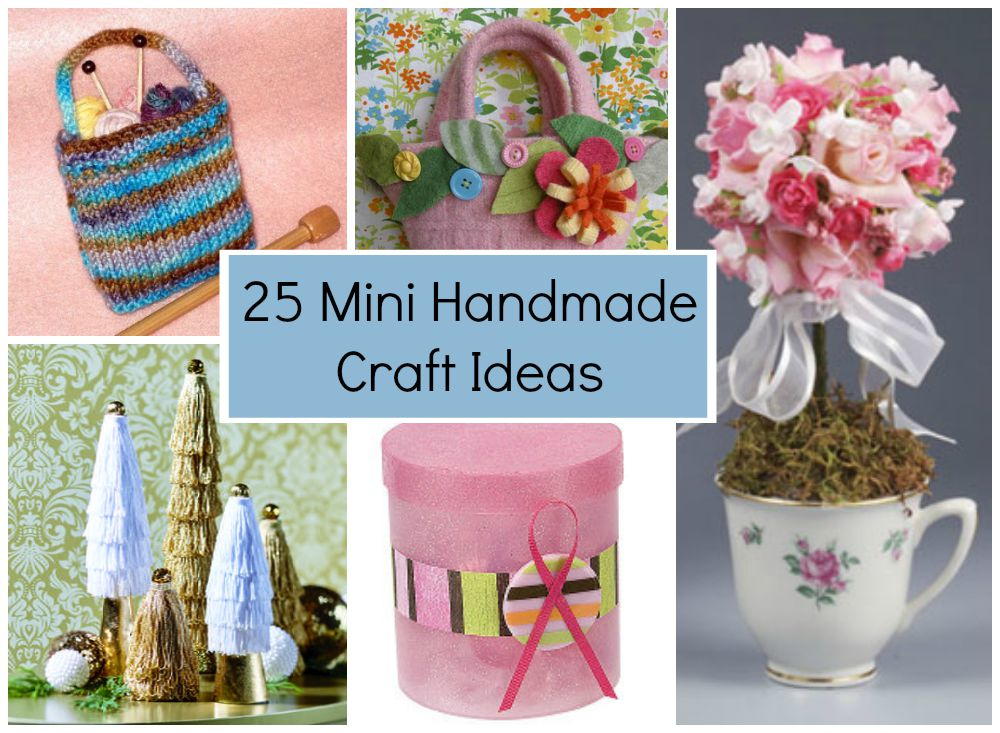
Handmade crafts A Journey Through Artistic Wonders

Handmade crafts

Handmade crafts are like little pieces of magic created by human hands, a delightful tapestry woven into the fabric of cultures worldwide. From ancient pottery to modern knitting, these crafts tell stories of creativity, tradition, and community, evolving over time while keeping their charming essence intact.

As we dive into the world of handmade crafts, we’ll explore various types that tickle your imagination, the joy they bring to our lives, and how they’ve transformed into a beloved hobby for many. Whether you’re molding clay or knitting scarves, each craft has its own unique flair that adds color to our everyday existence.

Handmade Crafts Overview

Handmade crafts

Handmade crafts are unique creations that are meticulously crafted by artisans using their skills and creativity, often without the aid of industrial machinery. These charming artifacts hold a mirror to the diverse cultures from which they originate, reflecting stories, traditions, and the heartbeats of communities worldwide. From vibrant textiles to intricate jewelry, handmade crafts not only serve a practical purpose but also encapsulate historical narratives and cultural heritage.Over time, handmade crafts have evolved from simple, functional items to sophisticated works of art that marry utility with aesthetics.

In ancient times, crafts were primarily created out of necessity, but as societies progressed, these items gained value as expressions of individuality and artistry. Today, in an age flooded with mass-produced goods, there is a renewed appreciation for handmade crafts as symbols of sustainability and authenticity. People are increasingly leaning toward these artisanal treasures, seeking the personal touch and unique stories behind each piece.

Types of Handmade Crafts

There exists a vibrant spectrum of handmade crafts, each with its own unique charm and cultural significance. Understanding these various forms adds depth to our appreciation of the artistry involved.

  • Pottery: A timeless craft that involves shaping clay into functional or decorative items. From ancient Greek amphorae to contemporary ceramic art, pottery showcases the skill of the craftsman and often tells a story of the culture it represents.
  • Knitting: This cozy craft transforms yarn into knitted goods, be it a snug sweater or a whimsical scarf. The rhythmic click of needles not only produces warmth but also creates a sense of community among knitters who often gather to share patterns and stories.
  • Woodwork: The art of shaping wood into beautiful and functional creations—from furniture to intricate carvings. The warmth of wood and the skill required to manipulate it reflect both nature’s bounty and human creativity, making each piece truly one-of-a-kind.
  • Jewelry Making: Crafting adornments using metals, stones, and other materials. Handmade jewelry not only highlights personal style but often carries deep sentimental value, making it a cherished gift between individuals.
  • Textile Arts: Involves various techniques like weaving and quilting to create fabric-based items. Each stitch can symbolize cultural stories and practices, preserving traditions through generations.

The diversity in handmade crafts showcases the boundless creativity and rich cultural tapestry of artisans around the world. Each craft brings with it a piece of history and a connection to the community, making them not just items, but treasures with a soul.

“Handmade crafts are not just products, they are stories woven into fabric, clay, wood, and gems.”

Crafts Hobbies

Engaging in crafts as a hobby is like giving your brain a mini vacation while simultaneously flexing your creative muscles. Imagine diving into a world where your imagination runs wild, and your hands get to play with glue, paint, and fabric. It is not just about making things; it’s a delightful escape that can boost mental well-being and spark creativity like a match to a firework.

The benefits of crafting extend far beyond the simple joy of creating. Research has shown that engaging in crafts can reduce stress and anxiety, increase mindfulness, and even improve your mood. Say goodbye to your worries and hello to that glitter-covered, yarn-filled paradise! Crafting allows you to express yourself, turning your ideas into tangible masterpieces.

Benefits of Crafting

Understanding the perks of crafting helps in appreciating the hobby’s multifaceted nature. Here are some notable benefits worth considering:

  • Mental Well-being: Crafting can release endorphins, those magical little chemicals that make you feel like dancing on air.
  • Boosting Creativity: The more you create, the more your brain gets used to thinking outside the box, making it easier to come up with new ideas.
  • Mindfulness: Focusing on a craft can pull you into the present moment, much like yoga, without the embarrassing poses.
  • Social Connection: Crafting can be a group activity that strengthens bonds with friends or even brings new pals into your life.
  • Satisfaction of Completion: There’s nothing like the feeling of having made something with your own hands, especially if it’s not a burnt toast!

Choosing the Right Craft Hobby

Selecting a craft hobby that resonates with your interests is essential for maintaining enthusiasm and creativity. Consider the following insights when deciding which craft to pursue:

  • Personal Interests: Reflect on what activities excite you, whether it’s painting, knitting, or even building miniature houses. Passion fuels longevity!
  • Available Materials: Look around at what supplies you already have. No need to break the bank on fancy tools when your kitchen utensils can do the trick!
  • Time Commitment: Assess how much time you can realistically dedicate. Sometimes, a quick DIY project is more feasible than a year-long quilt.
  • Skill Level: Be honest about your experience. Starting with beginner-friendly crafts can spark joy without the frustration of advanced techniques.

Connecting with Crafting Communities

Crafting is not just a solo adventure; it’s a vibrant community waiting to welcome you with open arms and glue sticks. Here are some ways to connect with fellow crafters:

  • Local Workshops: Check out craft stores or community centers for workshops. You’ll meet enthusiasts who can share tips and tricks while you master the art of decoupage.
  • Online Platforms: Websites like Pinterest and Instagram are great for sharing your creations and discovering inspiration from crafters worldwide.
  • Social Media Groups: Join Facebook or Reddit groups dedicated to your craft of choice. It’s like having a virtual crafting party from the comfort of your couch!
  • Craft Fairs and Markets: Attend local fairs to network, buy supplies, and showcase your own work while sipping on overpriced coffee.

“Crafting is not just a pastime; it’s a journey of creativity, connection, and immense joy!”

Crafts Supplies

Handmade crafts

Crafting is an art form that transforms the ordinary into the extraordinary, and having the right supplies is essential for this metamorphosis. Imagine trying to bake a cake without flour or eggs—your masterpiece would likely end up looking more like a science experiment gone wrong than a delicious dessert. Similarly, in the world of crafts, the right tools and materials are your allies, setting the stage for creativity to flourish.

Let’s dive into the delightful universe of crafting supplies that every creative soul needs!

Essential Supplies for Popular Handmade Crafts

A well-stocked crafting station is akin to a painter’s palette—each supply is a color waiting to bring your ideas to life. Below is a curated list of essential supplies that cater to various crafts, ensuring that you’re never caught empty-handed during your next creative burst.

  • Scissors: The ultimate precision tool! From cutting paper to trimming fabric, a sharp pair of scissors is a must-have.
  • Adhesives: Whether it’s glue sticks, hot glue, or double-sided tape, a reliable adhesive will be your trusty sidekick in joining materials seamlessly.
  • Markers and Paints: A variety of colors can turn a simple canvas into a vibrant story. Invest in non-toxic, high-quality paints for the best results.
  • Fabrics and Threads: For those looking to sew, different fabric types—cotton, felt, and linen—are essential, paired with threads that can withstand the test of time.
  • Tools for Specific Crafts: Knitting needles, crochet hooks, or carving tools can elevate your crafting experience depending on your chosen hobby.

Comparing Crafting Supplies for Quality and Affordability

In the crafting realm, supplies come in varying quality and price points—like choosing between a gourmet cupcake or a gas station donut. To help you navigate this landscape, it’s wise to consider the balance between quality and affordability. Higher-quality supplies often yield better results, but they can also come with a price tag that could make your wallet weep.

  • Brand Name vs. Generic: While brand-name products might offer better performance, many generic alternatives can perform just as well at a fraction of the cost.
  • Local vs. Online Stores: Local craft stores often have sales or discount bins, while online shopping provides convenience and sometimes better pricing due to bulk offers.
  • Quality Considerations: Look for reviews and user feedback that highlight durability and effectiveness to avoid the heartache of a disastrous crafting experience.

Building a Personal Crafting Supply Kit for Beginners

Every crafting journey begins with a single step—or in this case, a single kit! As a beginner, assembling your crafting supplies might feel overwhelming, but fear not! Here’s a guide that will help you establish your personal crafting supply kit without breaking the bank or losing your sanity.

  • Start Small: Begin with basic supplies like scissors, glue, and a selection of papers. You can expand as your skills grow.
  • Organize Your Workspace: Use storage boxes, baskets, or even repurposed containers to keep your supplies tidy and easily accessible.
  • Join a Crafting Community: Connecting with fellow crafters can provide insight into must-have items and where to find the best deals.
  • Experiment: Don’t be afraid to try new materials or tools. Crafting is about exploration and enjoyment, so embrace the mess!

“Crafting is like magic; with the right supplies, you can conjure up something beautiful from nothing.”

Outcome Summary

In conclusion, handmade crafts not only celebrate our rich cultural heritage but also ignite our creative spirits, making them a timeless pursuit for all ages. So whether you’re an experienced artisan or a curious beginner, there’s always a new craft waiting to be discovered, bringing joy, relaxation, and a dash of creativity into your life.

FAQ Resource

What are handmade crafts?

Handmade crafts are artistic creations made by hand using various materials, showcasing individual creativity and cultural significance.

How can I start a handmade crafts hobby?

Begin by choosing a craft that interests you, gather essential supplies, and join local or online crafting communities for inspiration and support.

What supplies do I need for crafting?

Essential supplies vary by craft but typically include tools, materials specific to your chosen craft, and a well-organized workspace.

Are handmade crafts eco-friendly?

Many handmade crafts can be eco-friendly, especially when using sustainable materials or upcycling items to create new works of art.

Can I sell my handmade crafts?

Absolutely! Many crafters sell their creations online or at local markets, turning their passion into a profitable venture.

Woodworking crafts Unleashing Your Inner Artisan

Woodworking crafts tips children pine easy these made cool shed

Welcome to the magical realm of Woodworking crafts, where sawdust dances and wood whispers secrets of creativity! Whether you’re a seasoned carpenter or a curious novice, our journey through the world of woodworking will be nothing short of a wild, splinter-filled ride. Get ready to explore riveting techniques, delightful crafts, and the joy of transforming ordinary timber into extraordinary treasures.

In this guide, we will delve into the techniques that make woodworking a delightful blend of art and skill—from joinery that holds pieces together tighter than a secret, to finishing touches that make your project shine like a star at a talent show. We’ll uncover popular crafts that have captivated hearts, from the fine art of furniture making to the whims of toy crafting.

And let’s not forget about the essential supplies that ensure your workshop is a safe haven of creativity!

Woodworking Techniques

Woodworking crafts

Welcome to the whimsical world of woodworking! Here, pieces of timber transform into magnificent creations, guided by the skilled hands of artisans and the occasional splinter. Whether you’re a seasoned carpenter or a hopeful DIYer, mastering various woodworking techniques is like discovering the secret sauce to a savory stew—essential for flavor, but with a hint of magic.Woodworking techniques encompass a range of methods that can elevate your project from mere lumber to a stunning piece of art.

Understanding these techniques not only enhances the structural integrity of your creations but also adds finesse to the finishing touches. Let’s dive into some of the essential woodworking techniques that will assist you in crafting with flair.

Joinery Techniques

Joinery is the art of connecting two pieces of wood together, and it’s vital for creating sturdy and aesthetically pleasing furniture. Different methods serve different purposes, so selecting the right joint is crucial. Here are a couple of classic joinery techniques:

1. Dovetail Joint

Renowned for its strength and beauty, the dovetail joint is favored in drawer construction.

Steps to Create

1. Measure and Mark

Find the center of where the joint will be and mark it.

2. Cut the Tails

Using a dovetail saw, cut angled cuts for the tails on the first board.

3. Transfer Measurements

Place the first board on top of the second and mark the tail shapes.

4. Cut the Pins

Saw along the marked lines on the second board to create pins.

5. Fit the Joint

Test the fit and adjust as necessary until it snugly fits together.

2. Mortise and Tenon Joint

This classic joint is renowned for its durability, often seen in frame constructions.

Steps to Create

1. Measure

Determine the dimensions of your tenon and mortise.

2. Cut the Tenon

Use a table saw to cut the tenon on the end of one board.

3. Drill the Mortise

Mark and drill out the mortise in the adjoining board.

4. Fit Together

Insert the tenon into the mortise to ensure a perfect fit.

Sanding Techniques

Sanding is where the magic of touch comes into play. It transforms rough, splintery surfaces into smooth, inviting finishes. Proper sanding is crucial for ensuring your project’s aesthetic appeal and longevity. Here are techniques that will send your woodworking projects soaring:

Start with Coarse Grit

Begin with a lower grit sandpaper (around 80-100) to remove any rough spots or imperfections.

Progress to Finer Grits

Gradually move up to 220 grit or finer for that silky-smooth finish.

Use the Right Tools

Whether using a belt sander or sanding block, ensure you follow the grain of the wood—sanding against the grain is like trying to swim upstream.

“Sanding is like a dance; you must glide smoothly to get the best results.”

Finishing Techniques

Finishing your woodworking project is like putting on the cherry on top of a sundae. It’s the last touch that brings your creation to life and protects it from the elements. Here are methods to achieve a showroom-worthy finish:

Staining

Adds color to your project while highlighting the natural grain of the wood.

Sealing

Using a clear sealant helps protect against moisture and wear. Options include polyurethane, lacquer, or oil finishes.

Buffing and Polishing

After the sealant dries, buff with a soft cloth to achieve that glossy sheen.Selecting the right tools and materials is equally important to ensure the success of any woodworking project. High-quality lumber is a must; look for hardwoods such as oak, maple, or cherry for durability. When it comes to tools, investing in a good set of chisels, saws, and sanders can make all the difference in the world.

A well-equipped workshop is like a painter’s palette—essential for creating a masterpiece!Remember, woodworking combine skill and patience, with a sprinkle of humor to keep the splinters at bay. Happy crafting!

Popular Woodworking Crafts

Woodworking is a treasure trove of creativity, blending skill, artistry, and a dash of good ol’ elbow grease. From crafting sturdy furniture that can withstand a family of elephants to creating delicate carvings that would make Michelangelo raise an eyebrow, the world of woodworking is as expansive as a lumberjacket’s wardrobe. Here, we dive into some of the most popular woodworking crafts that have stood the test of time, continue to evolve, and keep woodworkers whittling away happily.

Furniture Making

Furniture making is arguably the crown jewel of woodworking crafts. Crafting a piece of furniture involves a meticulous blend of design, functionality, and artistry. A wooden chair, for example, isn’t just a place to sit; it’s a throne for your derrière! The process typically begins with selecting the right type of wood, often influenced by the desired aesthetic—hardwoods like oak or cherry for a classic feel, or softer woods like pine for that rustic charm.

The steps to create a wooden chair include:

1. Design the Chair

Sketch out a plan, considering height, width, and style.

2. Select the Wood

Choose your wood type—something that’ll last longer than a bad haircut.

3. Cut the Pieces

Measure twice, cut once, unless you enjoy spontaneous firewood.

4. Assemble the Frame

Join the pieces using wood glue and screws, because no one wants a wobbly throne!

5. Sand and Finish

Smooth the edges and apply a finish to protect it from spills and sneezes.

Carving

Wood carving is like turning a block of wood into a three-dimensional masterpiece. It requires precision, patience, and a slight obsession with sharp tools. It’s not just whittling away chunks of wood; it’s about bringing forth the beauty hidden within! From delicate ornamental designs to intricate sculptures, the possibilities are endless. Carving can range from simple spoons to elaborate totem poles that tell a story as old as time.

Some popular carving styles include:

Relief Carving

Creating a raised pattern on the wood surface.

In-the-Round Carving

Sculpting free-standing figures that look good from any angle.

Chip Carving

Removing small chips from the wood for decorative patterns.

Toy Making

Toy making is a delightful woodworking craft that brings smiles to children’s faces—and occasionally to their very tired parents. Wooden toys are revered for their durability and timeless charm. From simple blocks to intricate puzzles, the joy of crafting a wooden toy lies in the creativity and imagination involved. Key considerations when making wooden toys include:

Safety First

Ensure no sharp edges or hazardous materials are present.

Playability

Design toys that stimulate creativity and are easy for tiny hands to handle.

Finish

Use non-toxic finishes to keep those little fingers safe and sound.

Styles and Designs in Woodworking

Woodworking styles can vary as widely as the flavors of ice cream available at your local parlor. Each style reflects a different aesthetic and a different era of human creativity. Two popular styles are rustic and modern, each with its own flair. Rustic designs often feature:

  • Uneven surfaces and natural edges.
  • Reclaimed wood that tells a story of its own.
  • Earthy tones that blend seamlessly with nature.

Modern aesthetics tend to favor:

  • Clean lines and minimalistic designs.
  • Bright colors or sleek finishes that scream sophistication.
  • Innovative use of space and materials, often incorporating metal or glass for that added zing.

When diving into woodworking crafts, remember that each project is an opportunity to express oneself. Whether you’re a beginner or a seasoned pro, wood is your canvas, and the possibilities are as limitless as the grains in a well-sanded board. So grab that chisel, and let’s make some beautiful messes!

Crafts Hobbies and Supplies

Woodworking crafts tips children pine easy these made cool shed

When it comes to woodworking, having the right supplies can make the difference between a masterpiece and a pile of kindling. Whether you’re a seasoned wood whisperer or a newbie with a new set of chisels, stocking up on essential crafts supplies is a must. Not only do these tools and materials aid in creating your dream projects, but they also help ensure that your hobby remains enjoyable and safe.

Essential Crafts Supplies for Woodworking

Before diving into the aesthetics of your woodwork, you must first ensure you have the essentials. Below is a list of must-have items that will empower your inner craftsman while keeping your workspace functional and fun.

  • Measuring Tools: A good tape measure and a square can save you from the dreaded “Oops, that was supposed to be a 3-foot shelf but now it’s 3 inches” moment.
  • Cutting Tools: A handsaw, jigsaw, and circular saw are your best pals. They will help you slice and dice like a kitchen ninja but with more sawdust.
  • Drilling Equipment: A trusty drill and a variety of bits will allow you to create holes and fasten pieces with the precision of a surgeon… if that surgeon was also really into wood.
  • Sanding Tools: Sandpaper, sanding blocks, and power sanders help you achieve that smooth finish. After all, nobody likes splinters, not even your worst enemy.
  • Fasteners: Nails, screws, and wood glue are essential for keeping your creations from falling apart faster than a poorly made IKEA shelf.
  • Finishing Supplies: Stains, paints, and sealants will keep your projects looking sharp and can even cover up a few whoopsie moments.

Importance of Safety Equipment and Proper Workspace Setup

Safety should always come first in the woodworking realm. You wouldn’t want to accidentally audition for a horror movie while working on your new coffee table. Therefore, investing in adequate safety equipment and planning out your workspace is key.

“Safety is not just a priority, it’s a way of life in woodworking.”

A proper setup includes the following essentials:

  • Safety Glasses: Protect those peepers from flying wood chips and rogue sawdust.
  • Ear Protection: Keep your eardrums safe; power tools can be louder than a rock concert.
  • Dust Masks: Prevent inhaling harmful dust particles that could make you cough like a chain smoker.
  • Work Gloves: Protect your hands from splinters and other sharp things that seem to appear out of nowhere.
  • First Aid Kit: Because accidents happen, and it’s best to be prepared for anything from a tiny cut to “that looked way cooler in my head.”

Sourcing Sustainable and High-Quality Materials

Finding the right materials for your woodworking projects is like searching for the Holy Grail. In this case, the Holy Grail is sustainable, high-quality wood that doesn’t cost an arm and a leg. Here are tips to guide you in your noble quest for eco-friendly crafting materials.

  • Local Lumberyards: Support your local economy while getting premium wood choices. Plus, you can poke around and possibly discover hidden gems.
  • Reclaimed Wood: Not only does this help the environment, but it also gives your projects history and character. Every scratch tells a tale!
  • Sustainable Suppliers: Look for businesses that prioritize sustainable practices, such as certified forestry products. Your conscience will be as clear as your finished project.
  • Online Retailers: Websites specializing in woodworking supplies often have a range of choices, including exotic woods. Just remember to read reviews and check for quality before hitting that ‘Add to Cart’ button.
  • Woodworking Community: Joining local woodworking groups or online forums can lead to recommendations for the best sources to find quality materials while making new friends.

Epilogue

As we wrap up our woodsy adventure through Woodworking crafts, remember that every piece of wood holds the potential for greatness, just waiting for your unique touch. Whether you build a chair that cradles your tired bones or a whimsical toy that sparks joy, woodworking is more than just a hobby; it’s a chance to express who you are. Now, grab those tools, let your imagination run wild, and start crafting your masterpiece today!

Question Bank

What tools are essential for beginners in woodworking?

Beginners should start with a saw, hammer, chisel, measuring tape, and a good set of sandpaper. It’s like the starter pack for crafting your mini kingdom of wooden wonders!

Can woodworking be a sustainable hobby?

Absolutely! By sourcing reclaimed wood or using sustainably harvested materials, you can craft beautiful projects while giving Mother Nature a big thumbs up.

What’s the best way to finish a woodworking project?

Opt for finishes like oil or polyurethane, depending on the look you want. If you’re feeling fancy, you could even throw in a splash of color with some paint!

How do I ensure safety while woodworking?

Always wear safety goggles, keep your workspace organized, and never underestimate the power of a good pair of gloves—your fingers will thank you!

Is woodworking suitable for kids?

With supervision and the right tools, woodworking can be a fantastic and educational activity for kids, helping them develop fine motor skills and creativity, all while having a blast!

Paper crafts Unleashing Creativity One Fold at a Time

Behance paper

Paper crafts, the magical art of turning humble sheets into extraordinary creations, beckon us into a world where imagination knows no bounds. From the meticulous folds of origami that defy gravity to the colorful chaos of scrapbooking, these crafts have evolved through centuries, proving that paper isn’t just for writing; it’s a canvas for creativity. Whether you’re a seasoned artisan or a curious newbie, there’s a paper craft waiting for you to unleash your inner Picasso!

Delving into the historical realm reveals how our ancestors utilized paper for everything from ceremonial decorations to practical applications, shaping the rich tapestry of crafting we cherish today. The variety of techniques—from paper mache sculptures that can withstand the test of time to intricate designs that adorn greeting cards—offers something for everyone, making paper crafts a vibrant part of the crafting community.

Introduction to Paper Crafts

Paper crafts are a delightful fusion of creativity and simplicity, transforming humble sheets of paper into magnificent works of art. This versatile medium holds a significant place in the crafting community, offering endless possibilities for expression and innovation. Whether it’s turning an ordinary sheet into a delicate origami crane or crafting an elaborate scrapbook that tells a story, paper crafts invite enthusiasts of all ages to indulge their imaginations.Historically, paper crafts trace back to ancient civilizations, with roots found in China around the 2nd century BC when paper-making was invented.

Over the centuries, as paper spread across the globe, so did the art of crafting. From the intricate folding of Japanese origami to the whimsical designs of modern scrapbooking, the evolution of paper crafts reflects cultural shifts and technological advancements. Today, paper crafts encompass a variety of techniques and styles, each with its unique flair and following.

Types of Paper Crafts

Exploring the diverse world of paper crafts reveals a myriad of techniques, each offering unique experiences and outcomes. Here are some popular types that have captured the hearts of crafters:

  • Origami: The ancient Japanese art of folding paper into intricate shapes and figures, origami turns flat sheets into three-dimensional objects. It ranges from simple models, like boats and frogs, to complex creations, such as dragons and flowers. The beauty of origami lies in its ability to convey elegance using just one piece of paper, devoid of cuts or glue.

  • Scrapbooking: A delightful way to preserve memories, scrapbooking combines photographs, decorative papers, and embellishments to create personalized pages that tell a story. Each page becomes a canvas where creativity meets nostalgia, allowing individuals to celebrate life’s moments with flair.
  • Paper Mâché: Translating to “chewed paper” in French, paper mâché involves creating sculptures or objects by layering strips of paper with adhesive. This technique allows artists to craft anything from masks to piñatas, resulting in playful and often whimsical creations that are sturdy yet lightweight.

“Paper is to the artist what clay is to the sculptor.”

Through these various forms, paper crafts not only inspire creativity but also serve as a therapeutic outlet, allowing individuals to unwind and express their artistic flair. Each technique offers a unique opportunity to explore the world of paper and discover the joy of crafting.

Essential Crafts Supplies for Paper Crafts

When it comes to paper crafting, having the right supplies is like having the magic wand for a fairy godmother. With a flick of your wrist—or, in this case, a snip of your scissors—you can transform mere sheets of paper into whimsical wonders and delightful decor. Whether you’re a crafting newbie or a seasoned paper wizard, knowing the essentials can sprinkle a little pixie dust on your projects.The importance of quality materials can’t be overstated.

Think of paper as the canvas for your creativity; using flimsy, low-quality paper is akin to trying to build a castle out of sand. It might look good for a moment, but one gust of wind (or a sneeze) and it’s all over! High-quality paper provides the durability and finish necessary for crafting projects, as well as the satisfaction of a job well done.

Similarly, top-notch tools ensure precision and ease, making your crafting experience as smooth as butter.

Basic Materials for Paper Crafting

Let’s dive into the treasure chest of essential supplies that will have you crafting like a pro! These materials are often the backbone of most paper projects. Here’s a rundown of the must-haves:

  • High-Quality Paper: Different weights and textures for various projects, such as cardstock for sturdiness or origami paper for delicate folds.
  • Scissors: A good pair of scissors is essential—think of it as the Excalibur of crafting. Consider having both regular scissors and precision scissors for detailed cuts.
  • Craft Knife: For those intricate designs where scissors just won’t cut it (pun intended), a craft knife will become your best friend.
  • Cutting Mat: Protect your surfaces and give your knives a safe place to glide while you work on those masterpieces.
  • Glue: Whether you’re using stick glue, liquid glue, or glue dots, make sure it’s acid-free to keep your creations looking pristine.
  • Ruler: To ensure your lines are as straight as your best friend’s sense of style—and we all know how valuable that is!
  • Bone Folder: For crisp folds that make your projects look professionally done, this tool deserves a VIP spot in your toolkit.

Importance of Quality Tools and Materials

Using quality tools and materials in your paper crafts is like fueling a race car with premium gasoline. You wouldn’t want your Ferrari sputtering because it’s out of gas, would you? Quality supplies not only enhance your crafting experience but also the end result of your projects. Here are some quick points to consider:

“Quality tools lead to quality results.”

  • Durability: Quality materials withstand the test of time and handling, ensuring your creations last longer without fading or falling apart.
  • Precision: High-quality tools, like precision scissors and craft knives, offer cleaner cuts and finer details—essential for intricate designs.
  • Consistency: When your supplies are reliable, the outcomes are predictable and consistently impressive.
  • Inspiration: Working with beautiful, high-quality materials can spark even more creativity, urging you to push the boundaries of your imagination.

Where to Find Specialized Supplies

Now that you know what you need, let’s talk about where to find these treasures. From brick-and-mortar stores to online empires of crafting supplies, the options are plentiful.

  • Local Craft Stores: Places like Michaels or Hobby Lobby often have a variety of quality supplies, plus the added bonus of being able to touch and feel the materials.
  • Online Retailers: Websites like Amazon or Etsy provide a vast selection of specialized tools and unique papers that you might not find locally.
  • Specialty Craft Shops: Seek out local shops that focus on paper crafts; they often carry high-end products and can provide expert advice.
  • Wholesale Suppliers: If you’re crafting in bulk, consider wholesale sources to save some bucks while stocking up.
  • Workshops and Classes: Sometimes, local artisans sell their favorite tools during workshops—plus you get to learn new tricks!

Popular Techniques and Methods in Paper Crafts

Paper crafts

Paper crafting is like a magical journey where flat sheets of cellulose transform into extraordinary creations. Whether you’re fashioning a heartfelt card or sprucing up your home with delightful decorations, the techniques you choose can make a world of difference. In this whimsical world of paper, it’s all about getting a bit crafty, a tad messy, and a whole lot creative!

Step-by-Step Guide to Creating Greeting Cards

Crafting greeting cards is not just an art; it’s a labor of love that can brighten someone’s day faster than you can say “Happy Birthday!” Here’s a simple step-by-step guide to get you started:

1. Choose Your Base

Start with a blank card stock paper, folded in half. This will be the foundation of your card. Think of it as the cozy home for your heartfelt message.

2. Select a Theme

Whether it’s a birthday bash or a “just because” card, having a theme will guide your design choices. Maybe a jazzy floral motif or a sophisticated minimalist approach?

3. Gather Your Supplies

Collect scissors, adhesive (glue or double-sided tape), pens, and any decorative elements like stickers or washi tape. Think of this as your creative toolbox, ready to unleash your genius!

4. Design the Front

Start layering your decorations! Cut out shapes from colored paper or use stamps to add flair. Remember, symmetry is overrated—let your creativity run wild!

5. Add a Personal Touch

Write a heartfelt message inside. A sprinkle of humor or a splash of nostalgia can bring the card to life.

6. Finishing Touches

Don’t forget to add embellishments like ribbons or sequins. They’re like the sprinkles on a cupcake—essential for that extra pizzazz!

Combining Techniques for Enhanced Crafting Skills

By mixing and matching different techniques, you can elevate your paper crafting skills to new heights. Here are some exciting combinations to inspire your next project:

Layering and Stamping

Create depth by layering different colored papers and adding stamped images on top. This adds texture and visual interest.

Quilling and Watercolor

Use quilled strips to form intricate designs, then paint the background with watercolors. It’s a delightful contrast of styles that will leave everyone in awe.

Embossing and Die-Cutting

Combine these techniques for stunning results. Use die-cuts for precise shapes and embossing folders to add dimension. It’s like giving your paper a spa day!

Creative Ideas for Using Leftover Paper Scraps

Leftover paper scraps can feel like the unwanted guests of the crafting world, but they’re actually hidden gems waiting to shine! Here’s how to repurpose those scraps creatively:Using scraps not only reduces waste but also adds character to your projects. Here are some nifty ideas:

1. Collage Art

Gather scraps of different sizes and colors to create an eye-catching collage. It’s a perfect expression of your inner Picasso!

2. Gift Tags

Cut scraps into small pieces, punch a hole, and voilà! You have uniquely crafted gift tags that shout “I’m a crafty genius!”

3. Bookmarks

Create personalized bookmarks from long strips of paper. Decorate them with quotes or cute designs to inspire fellow book lovers.

4. Paper Flowers

Use scraps to craft beautiful paper flowers. Layer different colors for a vibrant bouquet that’ll last forever—no watering required!

5. Mini Envelopes

Fold and seal scraps to create tiny envelopes. Perfect for gift cards or sweet notes, these mini marvels will charm anyone lucky enough to receive them!

“Creativity is intelligence having fun.”

Albert Einstein

Summary

Behance paper

In summary, whether you find solace in the rhythmic cutting and gluing, or you thrive on the thrill of creating something entirely new out of scraps, paper crafts invite you on an artistic adventure. So, grab your scissors and get ready to transform a simple sheet into a masterpiece, because in the world of paper, the possibilities are endless and every creation is a reason to celebrate your crafty spirit!

Quick FAQs

What are the basic tools needed for paper crafts?

Essential tools include scissors, glue, cutting mats, and a paper trimmer to make your crafting smooth and enjoyable.

Can anyone learn paper crafts?

Absolutely! Paper crafts welcome everyone, from kids to seniors, making it a fun and inclusive hobby for all ages.

How can I store my paper crafting supplies?

Use clear bins or drawer organizers to keep papers and tools sorted, so you can find your supplies faster than you can say “craft time!”

What’s the best way to use leftover paper scraps?

Get creative! Use them for collage art, gift tags, or even as confetti for your next party!

Are there any online communities for paper crafting?

Yes! Platforms like Pinterest and Facebook have vibrant groups where crafters share tips, projects, and inspire each other!

Crochet patterns a world of yarny creativity awaits

Crochet patterns

Beginning with Crochet patterns, the narrative unfolds like a cozy blanket freshly unfurled, inviting you into a tapestry of creativity that only yarn can weave. From whimsical amigurumi creatures to sophisticated shawls that could make even a gooseberry go green with envy, crochet patterns open the door to a universe where imagination meets tangibility.

These patterns aren’t just random doodles on a napkin; they’re intricate blueprints for crafting magic with hooks and yarn. With various styles and techniques, each pattern comes with its own personality—some are as straightforward as a Sunday stroll, while others are labyrinthine adventures that keep you on your toes. Whether you’re a newbie looking to snag your first stitch or a seasoned pro trying to design a masterpiece, the world of crochet patterns is your oyster, and the pearl is your next project!

Crochet Patterns Overview

Crochet patterns advanced experienced

Crochet patterns are the magical blueprints that transform yarn into cozy masterpieces, from warm sweaters to delicate doilies. They provide the structure and guidance that crafters of all levels seek, ensuring that even the most ambitious projects don’t unravel into a tangled mess. Each pattern opens the door to creativity, allowing crocheters to express their individual styles and preferences while following established techniques.In the charming world of crochet, patterns can vary greatly, each serving unique purposes and catering to different skill levels.

Some patterns are straightforward, designed for beginners to grasp the fundamentals, while others challenge the most seasoned crocheters with intricate designs. Common pattern types include garments, accessories, home decor, and amigurumi—those adorable crocheted critters that could melt the heart of a stone statue. For instance, granny squares, a classic crochet staple, can be combined to create blankets or bags, while lace patterns offer airy elegance to shawls and tablecloths.

Popular Crochet Pattern Styles and Techniques

Within the vibrant crochet community, certain styles and techniques have carved out a niche, providing a delightful variety for enthusiasts. Below are some of the most beloved styles, each with its distinct flair and application:

  • Granny Squares: These iconic squares are the building blocks of countless projects, allowing for creative color combinations and patterns. They can easily be stitched together to create anything from blankets to bags, making them a favorite among both beginners and veterans alike.
  • Lace Patterns: Known for their delicate and intricate designs, lace crochet patterns are perfect for creating shawls, doilies, and other airy pieces. The use of fine yarn and specific stitches, such as double crochets and chains, achieves stunning results that resemble fine art.
  • Amigurumi: This whimsical style focuses on creating three-dimensional crocheted toys. Each tiny creature, from plush animals to fantastical characters, often has a unique charm that invites cuddles and adoration. Amigurumi enthusiasts love to experiment with yarn colors and embellishments to bring their creations to life.
  • Textured Patterns: Techniques like bobbles, clusters, and cables add depth and dimension to projects, making them visually engaging. Textured crochet is commonly used in blankets and scarves, providing warmth along with visual interest.
  • Filet Crochet: This technique uses a grid-based pattern to create images or designs through open and closed stitches. Filet crochet is often used for decorative tablecloths, curtains, and wall hangings, showcasing a blend of functionality and artistry.

The significance of crochet patterns in crafting communities cannot be overstated. They serve as a common language among crafters, allowing them to share ideas, collaborate on projects, and build a supportive network. Crochet forums, social media groups, and local meet-ups thrive on the exchange of patterns and techniques, creating an environment where creativity flourishes. As new patterns emerge, they often reflect cultural trends and personal stories, further enriching the tapestry of this beloved craft.

“Crochet is not just a craft; it’s a community where every stitch tells a story.”

Creating and Designing Crochet Patterns

Crochet patterns

Designing a unique crochet pattern is much like being a chef in a kitchen full of yarn; you mix and match ingredients (or stitches, in our case) to create a delectable masterpiece. Whether you’re a beginner just dipping your toes into the wooly waters or an advanced crocheter ready to tackle complex motifs, crafting your own pattern is a delightful journey.

Let’s unravel the steps to success, sprinkle in some tips, and ensure you have the right tools in your crafty arsenal.

Step-by-Step Process for Designing a Unique Crochet Pattern

To embark on your crochet pattern design adventure, it’s essential to follow a systematic approach. Here’s a delightful recipe to guide you through the process:

1. Inspiration

Begin by gathering inspiration. Look for ideas in nature, fashion, or even in your grandmother’s attic. A quirky teapot or the colors of a sunset can ignite your creative spark.

2. Choose Your Yarn

Select the yarn that speaks to you. Consider its weight, texture, and color. Will you go for a soft cotton for summer projects or a cozy wool for winter warmth?

3. Decide on the Type of Project

Determine what you want to create—a scarf, a blanket, or perhaps a fabulous hat that will make your friends swoon with envy.

4. Sketch Your Design

Grab a sketchbook! Doodle your design, even if your drawing looks like it was done by a toddler. This visual aid will help guide your stitches.

5. Swatch It Out

Before diving into the deep end, create a swatch. Test your stitches and get a feel for how your design will come to life. This is a crucial step to ensure your final piece doesn’t turn into a lumpy potato sack.

6. Write It Down

Document your process. Write down the stitches used, the number of rows, and any special techniques. This will help you (and anyone else who wants to follow your pattern) avoid the dreaded frogging—rip it, rip it!

7. Test Your Pattern

Crochet your pattern from start to finish. Is it working as you envisioned? Make adjustments as needed, because even the best chefs tweak their recipes.

8. Final Touches

Once you’re satisfied, give your pattern a final review. Add any additional notes or tips before sharing your creation with the world.

Key Elements for Beginners and Advanced Crocheters

When designing crochet patterns, it’s vital to consider the skill level of your target audience. Here are some key elements to keep in mind:

For Beginners

Keep it simple! Use basic stitches and clear language. Avoid overwhelming your novice crocheters with too many techniques at once. Consider including:

Clear step-by-step instructions

Simple diagrams or charts

Suggested materials that are easy to work with

Tips on common mistakes and how to avoid them

For Advanced Crocheters

Challenge their skills while keeping it engaging. Advanced patterns can incorporate:

Complex stitch combinations

Unique textures and colorwork

Intricate motifs or lace designs

Detailed charts alongside written instructions for clarity

Tools and Resources for Effective Pattern Creation

Equipping yourself with the right tools is like a knight sharpening their sword before a battle—essential for success! Here are some must-have tools and resources for bringing your crochet patterns to life:

Crochet Hooks

Invest in a good set of hooks, preferably ergonomic, to keep your hands happy during long crafting sessions.

Yarn Organizer

Keeping your yarn tidy will help avoid the infamous yarn spaghetti mess. Consider using a yarn bowl or tote.

Measuring Tools

A tape measure and stitch markers are your best friends. They help ensure your dimensions are spot on.

Pattern Writing Software

Use tools like Stitch Fiddle or Canva to create charts and visual patterns. These tools make your patterns look professional and are easy to follow.

Books and Online Resources

Don’t hesitate to dive into crochet books or online platforms like Ravelry for techniques, tutorials, and community advice. A wealth of knowledge is just a click away!

Notebooks and Sticky Notes

Jot down ideas, sketches, or reminders. Sticky notes can be your pattern’s best friend, helping to keep track of where you are in the design process.Designing crochet patterns is an exciting adventure filled with creativity, laughter, and a few tangled yarn moments. So, grab your hooks, let your imagination run wild, and may your crochet journey be endlessly delightful!

Integrating Crafts Hobbies and Supplies

Welcome to the colorful world where crochet patterns dance with other crafts, creating a beautiful tapestry of hobbies! Think of crochet as the quirky cousin at a family reunion: it gets along fabulously with quilting, knitting, and even papercrafting. This harmonious relationship allows crafters to mix techniques, swap ideas, and share supplies, making the crafting community a vibrant and interconnected web of creativity.

So grab your hook, because we’re about to unravel the delightful connections!Crafting isn’t just about creating; it’s also about the tools of the trade! Having the right supplies can mean the difference between a masterpiece and a tangled mess that looks like a cat had a wild party. Below is a checklist of essential crochet supplies that will not only elevate your crafting but may also inspire your inner craft ninja to tackle more than one hobby at a time.

Essential Craft Supplies for Crocheting

To make your crocheting journey smooth and enjoyable, you’ll need some essential tools. Each item on this list has its own special role, almost like the cast of a sitcom, where each character brings something unique to the table!

  • Crochet Hooks: Available in various sizes, these are the magic wands of crocheting. Choose the right size based on your yarn weight – it’s like picking the right shoe for a dance-off!
  • Yarn: The star of the show! From cotton to wool, the fiber type affects your project’s texture and warmth, so choose wisely. It’s like dressing your project for the weather!
  • Scissors: Sharp and ready to snip! These trusty sidekicks help you cut yarn with precision. A good pair can make or break the dramatic tension of finishing a project.
  • Tapestry Needle: Essential for weaving in ends and adding embellishments. This needle is the glue that holds the plot together, ensuring all loose threads are neatly tucked away!
  • Measuring Tape: For those who prefer a little precision in their lives, this is your crafting ruler. Measure twice, crochet once – it’s a classic mantra!
  • Stitch Markers: These little fellows help you keep track of your stitches. They are like the friendly GPS of your crochet journey, guiding you along the way!
  • Row Counter: If counting is not your thing, this handy gadget will save the day. It’s like having a personal assistant at your crochet party!

Now that you have your supplies, it’s time to tackle the important task of organizing them. A clutter-free workspace can spark joy and creativity, much like Marie Kondo but with more yarn and fewer folding techniques.

Organizing and Storing Crochet Supplies

An organized crochet space is a happy crochet space! Here are some nifty tips to keep your craft supplies in check, ensuring that chaos remains outside your creative realm.

  • Clear Storage Bins: Transparent bins allow you to see your yarn stash at a glance, so you can plan your next project without rummaging through an abyss of tangled yarn.
  • Labeling: Use labels to categorize your supplies, whether by color, type, or project. This way, you can find what you need faster than you can say “double crochet!”
  • Caddies and Trolleys: Portable caddies can help you move your supplies from room to room, like a crafting nomad on a quest for creativity!
  • Over-the-Door Organizers: Use the back of doors to hang up supplies—perfect for maximizing space in smaller areas. It’s like giving your supplies their own VIP room!
  • Project Bags: Keep ongoing projects in dedicated bags to avoid mix-ups. This also gives your crocheted creations a cozy home while they wait to be finished!

Embrace the craft chaos, find your crochet groove, and let the yarn flow freely. May your crochet patterns be as rich and varied as a colorful yarn stash, and may your crafting endeavors lead you down many delightful creative paths!

Final Summary

In conclusion, the realm of Crochet patterns is one of endless possibilities and delightful surprises. As you gather your yarn and tools, remember that each stitch brings you closer to creating something unique and beautiful, a true testament to your creativity. So go ahead, grab that hook and let your imagination run wild—the crochet community is waiting with open arms and a treasure trove of inspiration!

Q&A

What are the different types of crochet patterns?

There are a plethora of crochet patterns including amigurumi, garments, home décor, and accessories, each with its own charm and complexity.

Can beginners easily follow crochet patterns?

Absolutely! There are many beginner-friendly patterns that use basic stitches and techniques, making it easy to dive into crochet.

What tools do I need to create crochet patterns?

Essential tools include a range of crochet hooks, yarn, scissors, and a measuring tape, plus a healthy dose of creativity!

How can I organize my crochet supplies?

Use bins, baskets, or even a dedicated craft cart to keep your yarns and hooks organized, so they’re easy to find and less likely to tangle in a yarny mess!

Are there online resources for crochet patterns?

Yes! Websites like Ravelry and Pinterest are treasure troves of free and paid crochet patterns, tutorials, and community support.

Knitting projects Your Guide to Crafty Creativity

Knitting projects

Knitting projects are not just yarn and needles; they’re the fabric of creativity woven into every stitch! Imagine a world where every scarf tells a story and each cozy hat is a warm hug from your crafty side. Whether you’re a newbie just dipping your toes—or should I say needles—into the knitting pool or a woolly wizard looking to conjure up some advanced techniques, this guide will knit it all together in a way that’s fun and fabulous.

From the trending knitting projects that are as easy as pie (but much more practical), to the intricate dance of cabling and lace techniques that will make your jaw drop, we’ll cover it all! Plus, we’ll share tips on how to jazz up your creations and make them as unique as your favorite pair of socks. So grab your yarn and let’s get this knitting party started!

Popular Knitting Projects

Knitting offers a delightful blend of creativity and relaxation, making it a favorite pastime for many. Whether you’re a novice or a knitting ninja, there’s always a project that can tickle your fancy and occupy your hands. Here are three trending knitting projects perfect for beginners, ready to be tackled with gusto and a pinch of humor!

Trending Knitting Projects for Beginners

For those new to knitting, the best way to dive into this woolly world is by starting with simple yet satisfying projects. Below are three projects that are not only fun to knit but will also bring a sense of accomplishment upon completion.

  • Chunky Knit Blanket: A cozy blanket that feels like a hug! With oversized needles and thick yarn, you can whip this up faster than you can say “purl two together.”
  • Simple Beanie: Perfect for keeping your noggin warm while strutting your style. It’s a quick win that will have you saying, “I made this!” every time you wear it.
  • Basic Dishcloths: Who knew cleaning could be so chic? These little squares are practical, and with some vibrant colors, they can bring life to your kitchen while you practice your stitches.

Guide to Knitting a Simple Scarf

Knitting a scarf is a rite of passage, and it’s as easy as falling off a log—just with fewer splinters. Here’s a detailed guide to help you craft your first masterpiece. Materials Needed:

  • Yarn: Choose a medium-weight yarn (like worsted weight) in your favorite color.
  • Knitting Needles: Size 8 or 9 (5-5.5 mm) needles are perfect for beginners.
  • Scissors: For snipping those pesky yarn ends.
  • Tapestry Needle: To weave in the ends and finish off your scarf like a pro.

Step-by-Step Instructions:

1. Cast On

Start by casting on 30 stitches (or however wide you want your scarf to be).

2. Knit Every Row

For a classic garter stitch scarf, simply knit every row until the scarf reaches your desired length—about 60 inches is a good target for cozy neck coverage.

3. Cast Off

Once you’re at the desired length, cast off your stitches to finish the scarf.

4. Finishing Touches

Use your tapestry needle to weave in any loose ends and show that you mean business!

5. Show It Off

Put on your scarf and strut around like you just won a fashion contest.

Tips for Customizing Knitting Projects

Customization is where the true magic of knitting happens. Here are some tips to sprinkle your unique flair onto your projects. First, consider your yarn choices; mixing colors can give your project a vibrant twist. You can also play with textures by experimenting with different stitch patterns. Adding embellishments like buttons, fringe, or even pom-poms can transform a standard project into a stunning statement piece.

  • Color Combinations: Choose contrasting colors or a gradient scheme to make your scarf pop. The right color can turn a simple piece into a showstopper.
  • Stitch Patterns: Explore basic patterns like ribbing or seed stitch to add depth and dimension. A little twist here and there can elevate your project from plain to fabulous!
  • Personal Touches: Embroider your initials, add fun patches, or even knit in a secret message. Imagine the delight of giving a scarf with a hidden “I love you” stitched in!

Advanced Knitting Techniques

Knitting is not just about casting on and off; it’s an art where the yarn dances with your needles to create stunning patterns and textures. As you advance, you’ll encounter techniques that challenge your creativity and patience (and maybe even your cat). Get ready to dive into the world of cabling and lace knitting, where the magic happens one stitch at a time!

Cabling and Lace Knitting Techniques

Cabling and lace knitting are two advanced techniques that can elevate your projects from cozy to couture. Let’s untangle the threads of these intricate methods and unravel their mysteries. Cabling involves twisting stitches to create raised patterns that resemble twisted ropes, while lace knitting uses deliberate holes to form delicate designs, reminiscent of fine spider webs that are functional and fabulous.

To embark on your cabling adventure, start simple. Choose a pattern that features basic cables, often marked in a chart or written instructions. For your lace journey, select a straightforward lace pattern with clear repeats. A good rule of thumb is to keep your yarn lightweight to allow the intricate designs to shine through.

“A cable knit is like a hug from your favorite sweater.”

Reading and Interpreting Advanced Patterns

Advanced knitting patterns can feel like solving a puzzle where the pieces are made of yarn and the picture is a cozy sweater. Understanding how to read these patterns is essential, as they often include abbreviations, charts, and stitch counts that can seem daunting at first glance. Begin by familiarizing yourself with common abbreviations such as “k” for knit, “p” for purl, and “yo” for yarn over.

Charts are often visually appealing and can simplify complicated patterns; each square represents a stitch, so you can follow along as if you’re reading a map to Knitter’s Paradise. When approaching a new pattern, take a moment to scan for:

  • Gauge: Always check your gauge. It’s like knowing your shoe size before buying shoes—important, right?
  • Stitch Count: Ensure you’re on track with your stitches; nothing like realizing you’ve knit two extra stitches after hours of work!
  • Special Techniques: Look for any techniques used in the pattern that may require additional resources or tutorials.

Comparison of Knitting Methods: Continental vs. English

The two main methods of knitting, Continental and English, come with their own quirks and charms. Understanding the differences can significantly impact your knitting speed and tension, which is crucial for advanced projects. In the Continental method, the yarn is held in the left hand, and stitches are created by “picking” the yarn with the needle. This can lead to faster knitting speeds once mastered and is often favored by those who knit tightly.

On the other hand, the English method involves holding the yarn in the right hand, where stitches are “thrown” around the needle. Consider the following benefits of each method:

  • Continental: Faster once you get the hang of it, reduces wrist strain, and ideal for colorwork.
  • English: Offers more control over tension, especially for beginners, and easier for complex patterns that require frequent purls.

Whichever method you prefer, the most important thing is to enjoy the process and embrace any knitting mishaps along the way—because every stitch adds character to your masterpiece!

Crafts Hobbies and Supplies

Knitting projects

When it comes to knitting, having the right supplies is like having a magic wand in a fairy tale; it makes all the difference! From the softest yarn that feels like a cloud to the sharpest needles that could slice through a good excuse for not crafting, let’s delve into the essential supplies every knitter should have on hand, along with a sprinkle of humor to keep those stitches from unraveling.

Essential Knitting Supplies

Every dedicated crafter knows that the right supplies can elevate their projects from “meh” to “marvelous.” Here’s a carefully curated list of must-have knitting supplies, along with some recommended brands that have been tried and tested by fellow yarn aficionados:

  • Yarn: The star of the show! Look for brands like Malabrigo for luxurious merino wool or Bernat for a budget-friendly, delightful acrylic choice. Remember, the yarn is your canvas; choose wisely!
  • Needles: A good pair of needles can make or break your knitting experience. ChiaoGoo offers fantastic options for metal needles that glide effortlessly, while Bamboo needles from Knitter’s Pride provide a cozy, warm touch.
  • Stitch Markers: To keep track of your stitches and prevent accidental patterns that look like abstract art. Clover offers adorable options that are functional and fun!
  • Tapestry Needles: You’ll need these for weaving in ends, not for trying to dodge awkward conversations at family gatherings. Addi makes sturdy ones that get the job done without any fuss.
  • Measuring Tape: Because winging it is great for muffins, but not so much for knitting. A retractable tape from Fiskars is both handy and cute.
  • Knitting Bag: To carry your supplies and to keep your projects from getting lost in the couch cushions. The Knit Picks bags are spacious and stylish, making you look like a pro on the go.

Complementary Crafts Hobbies

Knitting isn’t just a solitary pursuit; it can be part of a vibrant crafting community. Many hobbyists find joy in pairing knitting with other crafts, creating a beautiful mosaic of creativity. Here’s a look at some popular crafts that play nicely with knitting:

  • Crocheting: The yin to knitting’s yang! With just a hook, you can create lovely lace patterns or amigurumi that will make your friends exclaim, “Did you really make that?”
  • Embroidery: Adding embroidery to your knitted pieces can turn a simple scarf into a work of art. A few stitches here and there can transform your creation into a personalized masterpiece.
  • Weaving: If you love the idea of creating fabric from scratch, weaving is a splendid companion to knitting. You can make your own yarn, then knit it into something fabulously unique!
  • Quilting: Pair your knitted items with beautiful quilts to create a cozy setting. Plus, your knitting skills will come in handy when you need to mend any fabric mishaps!

Sustainable Crafting Supplies

In an age where every little bit helps, sustainable crafting supplies are becoming the superhero of the knitting community. Opting for eco-friendly materials not only benefits our planet but also enhances the overall crafting experience. Here are some eco-friendly options worth considering:

  • Bamboo Yarn: Soft and luxurious, bamboo yarn is biodegradable and a great alternative to synthetic fibers. Look for brands like Berroco that offer lovely bamboo blends.
  • Organic Cotton: For those warm-weather knits, organic cotton is not only gentle on the skin but also on the environment. Plymouth Yarn provides beautiful options ideal for summer projects.
  • Recycled Yarns: Brands like Wool and the Gang offer yarn made from recycled materials, giving your projects a second chance at life. Why not knit a sweater and save a polar bear at the same time?
  • Natural Dyes: To give your yarn a splash of color without the harmful chemicals. Experiment with vegetable dyes from brands like Plant Dyed Yarn for vibrant, eco-friendly hues.

“Crafting with sustainable supplies is like giving Mother Nature a high-five while you knit!”

Closure

Knitting projects

So there you have it! A delightful exploration of knitting projects awaits, packed with tips, tricks, and a sprinkle of humor to keep your needles clicking. Whether you choose to dive into the deep end with advanced techniques or stick to simpler projects, remember that knitting is all about enjoying the journey—one stitch at a time. Now, go forth and let your knitting adventures unfold like a cozy blanket on a chilly day!

Answers to Common Questions

What supplies do I need to start knitting?

You’ll need yarn, knitting needles, scissors, a tape measure, and a yarn needle. Optional but fabulous: a stitch counter and a comfy chair!

How long does it take to learn to knit?

Can I knit with any type of yarn?

What’s the difference between continental and English knitting?

How do I fix mistakes in my knitting?